

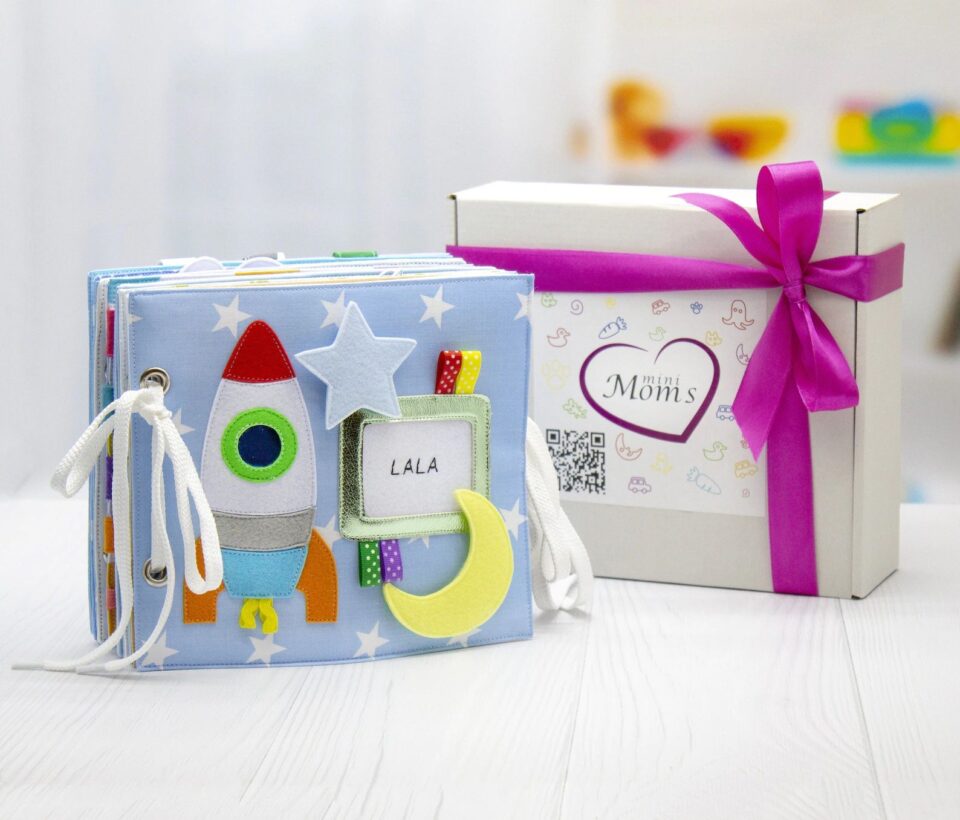
Busy books have emerged as essential tools in early childhood education, blending interactive play with valuable learning experiences for toddlers. These engaging fabric-based books are designed to captivate young minds while fostering development across various skills. In this comprehensive article, we delve into the details of busy books, exploring their components, educational benefits, developmental impacts, and why they are a preferred choice for parents and educators alike.
What are Busy Books?
Busy books, also known as quiet books, are tactile, interactive fabric-based books filled with activities that stimulate a child’s senses and promote learning through play. Each page of a busy book features engaging tasks such as buttoning, zipping, lacing, felt busy book sorting shapes, matching colors, and exploring textures. These activities are designed to enhance fine motor skills, cognitive development, and creativity in toddlers.
Components of Busy Books
Busy books typically include:
- Interactive Activities: Each page offers different activities that encourage hands-on exploration and problem-solving.
- Variety of Textures: Pages may feature a variety of textures like soft felt, smooth fabrics, and tactile elements such as buttons, beads, and ribbons.
- Educational Themes: Activities are often themed around educational concepts such as numbers, letters, shapes, animals, and everyday tasks.
Educational Benefits of Busy Books
- Fine Motor Skill Development
Busy books require toddlers to use their hands and fingers to manipulate buttons, zippers, and other interactive elements. These activities help improve hand-eye coordination, dexterity, and finger strength, essential for tasks like writing and drawing.
- Cognitive Stimulation
Activities like puzzles, matching games, and sequencing tasks challenge toddlers’ cognitive abilities. They encourage problem-solving, spatial awareness, and logical thinking, laying the groundwork for academic skills later in life.
- Language and Vocabulary Expansion
Engaging in storytelling and naming objects in busy books fosters language development. Toddlers learn new words, practice pronunciation, and understand basic concepts through interactive play.
- Sensory Exploration
Busy books offer a multi-sensory experience with different textures, colors, and tactile elements. Exploring these sensory-rich pages enhances sensory perception and stimulates curiosity in young children.
- Promotion of Independence
Busy books encourage toddlers to explore and engage independently. They learn to complete tasks and solve problems on their own, fostering confidence, self-reliance, and a sense of accomplishment.
Developmental Impacts of Busy Books
Busy books support holistic child development by:
- Enhancing fine motor skills
- Stimulating cognitive abilities
- Expanding language and vocabulary
- Encouraging sensory exploration
- Promoting independence and confidence
These developmental benefits make busy books invaluable tools in early childhood education and home environments, providing enriching experiences that prepare toddlers for future learning and growth.
Why Busy Books are Preferred by Parents and Educators
- Engagement and Entertainment
Busy books captivate toddlers’ attention with interactive activities that make learning fun and engaging. They offer a stimulating alternative to screen time, promoting active play and creativity.
- Customization and Personalization
Many busy books can be customized to suit a child’s interests, favorite colors, or educational needs. Personalized books add a special touch and enhance the child’s engagement during playtime.
- Safety and Durability
Handmade busy books are crafted from child-safe materials like felt, fabric, and non-toxic embellishments. They are durable and designed to withstand rough handling, ensuring long-lasting enjoyment.
- Educational Value
Busy books combine educational content with hands-on activities that support early learning concepts. They provide a structured approach to learning while allowing children to explore at their own pace.
- Developmental Milestones
Using busy books helps toddlers achieve important developmental milestones such as fine motor skill refinement, cognitive stimulation, and language acquisition. These milestones are crucial for overall growth and readiness for school.
Conclusion
Busy books are more than just fabric-based toys; they are educational tools that seamlessly blend play and learning for toddlers. With their interactive activities, sensory-rich experiences, and developmental benefits, busy books provide valuable opportunities for children to explore, discover, and grow. Whether used at home, in preschools, or as gifts for special occasions, busy books enrich young minds and foster a lifelong love for learning.
Summary
Busy books for toddlers combine interactive play with valuable learning experiences. They enhance fine motor skills, cognitive development, and language skills while promoting independence and creativity. These fabric-based books are preferred by parents and educators for their educational value, customization options, safety features, and developmental benefits that support early childhood growth and learning.
