

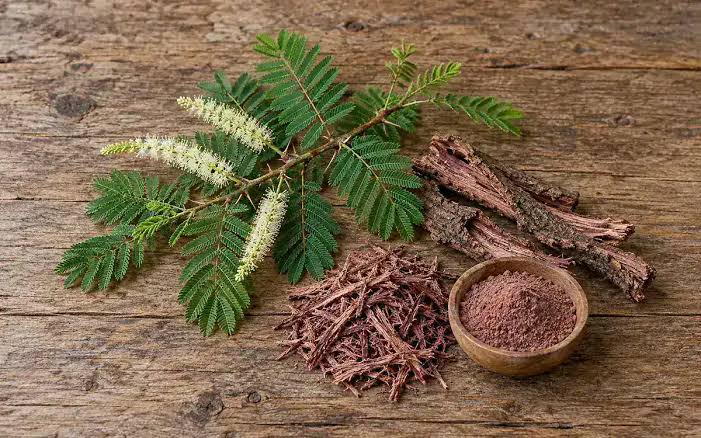
Mexican MHRB inner root bark is a botanical material associated with the root system of Mimosa hostilis, commonly identified by its botanical name Mimosa tenuiflora. This woody plant belongs to the Fabaceae family and is known for its natural adaptability, distinctive bark, and historical significance in traditional botanical knowledge.
In Mexico, the species is commonly associated with the name tepezcohuite. It has attracted attention from botanists and researchers because of its physical characteristics, naturally occurring chemical compounds, and historical applications in traditional practices.
Understanding Mexican MHRB inner root bark requires examining its botanical background, geographical distribution, anatomical structure, natural chemical composition, and scientific importance. The description of mimosa hostilis root bark provides a reference for understanding differences between powdered and fibrous bark.
1. Botanical Background of Mimosa Hostilis
Mimosa hostilis is a perennial woody plant belonging to the Mimosa genus within the Fabaceae family.
The species is associated with tropical and subtropical environments across parts of Central and South America. It is particularly recognized for its ability to tolerate challenging environmental conditions, including seasonal rainfall and relatively dry periods.
Its main botanical characteristics include:
- A woody trunk and branching structure.
- Compound leaves with numerous small leaflets.
- Small flowers arranged in clusters.
- A developed root system.
- Protective bark covering its woody tissues.
- Adaptations to warm and relatively dry environments.
These characteristics make the species an interesting subject for botanical and ecological research. When researching brazilian mimosa hostilis root bark, readers should distinguish descriptive claims from independently established facts.
2. Understanding Mexican MHRB Inner Root Bark
MHRB is an abbreviation for Mimosa hostilis root bark. The term inner root bark describes the tissue located beneath the outer protective layer of the root bark.
In woody plants, bark consists of several different tissue layers. Each layer performs particular biological functions, including protection and support.
The inner bark is anatomically different from the outermost protective tissue. These differences are relevant when studying plant anatomy and the chemical characteristics of individual tissues.
Mexican MHRB inner root bark is therefore best understood as a specific botanical tissue rather than a completely separate plant variety. Information about buy shredded mhrb can help explain the difference between powdered and fibrous botanical forms.
3. Geographical Origins in Mexico
Mexico is an important geographical and cultural reference in discussions about Mimosa hostilis.
The plant is associated with certain tropical and subtropical environments where warm temperatures and seasonal rainfall support its development.
Its natural characteristics can be influenced by local environmental conditions, including:
- Temperature variations.
- Seasonal rainfall.
- Soil composition.
- Sunlight exposure.
- Water availability.
- Natural vegetation patterns.
Geographical origin is an important part of botanical identification. However, the appearance of a sample alone cannot reliably establish whether it originated in Mexico.
Documented botanical information is necessary for confirming geographical background. When researching mimosa hostilis root bark powder, readers should consider botanical identification, documentation, and applicable regulations.
4. Natural Physical Characteristics
The inner root bark of Mimosa hostilis is associated with several physical characteristics that distinguish it from other plant tissues.
Colour
The bark is generally described as having reddish-brown, dark-brown, or other natural brown tones.
Colour variations can occur between individual plants and botanical samples.
Texture
The original bark contains fibrous plant tissues. Its physical structure may appear different depending on the particular tissue being examined.
Botanical Structure
Inner bark consists of plant tissues beneath the external protective layers. Its anatomical organization is different from that of the outer bark.
Natural Variation
Plant maturity, geographical conditions, and biological differences can influence the appearance of individual samples.
These characteristics provide general botanical information but cannot independently establish material authenticity or purity. Information about mexican mimosa hostilis root bark helps explain differences between powdered and fibrous botanical forms.
5. Natural Chemical Composition
One of the most interesting aspects of Mimosa hostilis is its naturally occurring chemical composition.
Different plant tissues can contain different groups and concentrations of chemical constituents. These substances are relevant to natural-product chemistry and pharmacological research.
Some important categories include the following.
Tannins
Tannins are naturally occurring polyphenolic compounds found in various plants, particularly bark and woody tissues.
They contribute to the chemical properties of many botanical materials and are frequently examined in plant chemistry research.
Flavonoids
Flavonoids are plant-derived compounds found throughout the plant kingdom.
They are studied for their antioxidant properties and potential biological activities. When researching hostilis mimosa root bark powder, readers should consider botanical identification, documentation, and applicable regulations.
Saponins
Saponins are naturally occurring compounds with distinctive chemical structures. They are present in numerous plant species.
Alkaloids
Alkaloids are nitrogen-containing natural compounds that can produce significant biological effects.
Mimosa hostilis is particularly associated with N,N-dimethyltryptamine (DMT), a powerful psychoactive substance.
The precise chemical composition of Mexican inner root bark cannot be established through its colour, texture, or geographical description alone.
6. Differences Between Inner and Outer Root Bark
Understanding the anatomical differences between inner and outer root bark is important when studying Mimosa hostilis.
| Characteristic | Inner Root Bark | Outer Root Bark |
| Anatomical position | Beneath external bark layers | External protective layers |
| Structure | Internal bark tissues | Outer protective tissues |
| Biological role | Associated with transport and tissue support | Protection against environmental damage |
| Physical appearance | May differ from external bark | Often more exposed and weathered |
| Composition | Tissue-specific chemical constituents | Tissue-specific chemical constituents |
The exact anatomical boundaries can vary depending on plant development and the terminology used in botanical studies. The information about mimosa hostilis inner root bark powder helps explain the visual differences between powdered and fibrous plant material.
7. Brazilian and Mexican MHRB Background
Mimosa hostilis is associated with both Brazil and Mexico, although these regions have different environmental and cultural contexts.
Mexican Background
In Mexico, the plant is commonly associated with the name tepezcohuite. Its historical significance is particularly connected with traditional skin-care practices.
Brazilian Background
In Brazil, it is commonly known as jurema-preta and is particularly associated with northeastern regions and the Caatinga ecosystem.
Both geographical contexts contribute to the plant’s botanical and ethnobotanical importance.
However, geographical origin does not automatically determine the chemical quality or biological properties of a particular sample.
8. Environmental Factors Influencing Natural Composition
The chemical and physical characteristics of Mimosa hostilis may vary according to several biological and environmental factors.
Soil Conditions
Soil composition, mineral availability, and drainage influence plant growth and development.
Climate
Temperature and rainfall can affect the plant’s biological processes. When reviewing information about mexican mhrb inner root bark, readers should consider botanical identification and applicable regulations.
Plant Maturity
The developmental stage of a plant may influence the structure and composition of its tissues.
Geographical Location
Different environmental conditions across geographical regions can contribute to natural variation.
Seasonal Changes
Changes in rainfall and temperature may influence plant development throughout the year.
These factors are important when interpreting scientific findings about botanical materials.
9. Traditional and Cultural Significance
Mimosa hostilis has a history of traditional use in parts of Latin America.
In Mexico, its association with tepezcohuite is particularly notable because of historical applications involving skin-care practices.
In Brazil, jurema-preta has cultural and ceremonial significance in certain communities.
These traditions are relevant to ethnobotanical research because they demonstrate the historical relationship between local communities and plant resources.
It is important to distinguish historical practices from scientifically established medical treatments. Traditional applications do not automatically demonstrate clinical effectiveness or safety. The regional wording in mimosa hostilis root bark shredded connects botanical terminology with geographical origin.
10. Scientific Research and Botanical Importance
Mexican MHRB inner root bark is relevant to scientific discussions involving plant anatomy, natural compounds, and ethnobotany.
Researchers may investigate several aspects of the species, including:
- Identification of plant tissues.
- Chemical composition of bark.
- Natural variation between geographical populations.
- Biological properties of plant-derived compounds.
- Adaptation to different environmental conditions.
- Historical and cultural applications.
Scientific research helps improve understanding of the plant while distinguishing established findings from traditional claims.
11. Safety and Responsible Botanical Awareness
Mimosa hostilis requires careful consideration because it is associated with naturally occurring psychoactive compounds, particularly DMT.
DMT can produce powerful changes in perception, consciousness, and psychological functioning. The phrase mimosa hostilis root bark for sale combines regional terminology with a specific botanical plant part.
Some important safety considerations include:
- Natural plant materials are not automatically safe for human consumption.
- Incorrect botanical identification can create additional risks.
- Physical appearance cannot confirm chemical composition.
- Traditional applications do not guarantee medical effectiveness.
- Contamination may affect the safety of botanical materials.
- Laws concerning DMT and associated plant materials vary between countries.
Mexican MHRB inner root bark should not be treated as an ordinary food ingredient or an established medical treatment.
12. Importance of Accurate Botanical Identification
Accurate botanical identification is essential when examining Mimosa hostilis and its different plant tissues.
Several plant species can share similar physical characteristics, making identification based only on appearance unreliable.
A responsible scientific assessment considers:
Scientific Classification: Confirming the correct botanical species.
Tissue Identification: Distinguishing inner root bark from other plant materials.
Geographical Documentation: Establishing the recorded origin of the botanical specimen.
Laboratory Analysis: Using appropriate scientific methods to investigate chemical composition.
Material Documentation: Maintaining reliable information about the specimen’s history and condition. The regional reference for brazilian mimosa hostilis root bark helps distinguish geographical terminology from scientific classification.
These considerations provide a stronger foundation for botanical research.
Conclusion
Mexican MHRB inner root bark is a distinctive botanical material associated with Mimosa tenuiflora, a woody plant belonging to the Fabaceae family.
Its natural characteristics, anatomical structure, geographical background, and chemical composition make it an interesting subject for botanical and scientific research.
The plant’s association with tepezcohuite in Mexico and jurema-preta in Brazil also demonstrates its broader cultural and historical importance.
A complete understanding of Mexican MHRB inner root bark requires considering its botanical classification, natural chemical constituents, environmental influences, traditional significance, and safety considerations. These aspects provide a balanced perspective on this notable plant species. The resource about mexican mimosa hostilis offers a topic for further reading about regional botanical terminology.
