

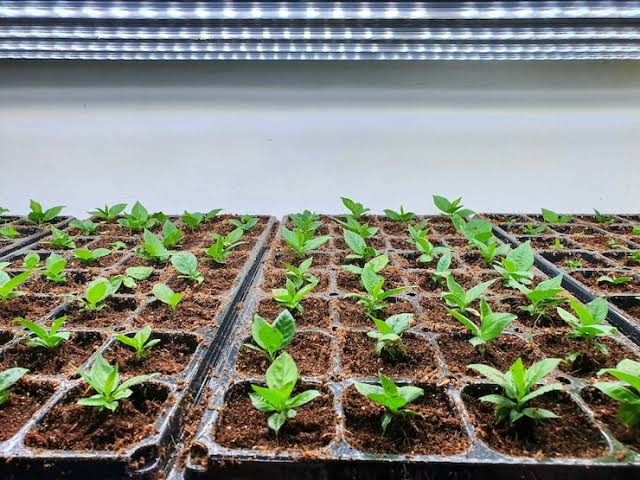
Maintaining suitable air quality is an important part of creating a comfortable and well-organized indoor gardening environment. Grow tents are enclosed spaces that require appropriate ventilation to manage airflow, temperature, humidity, and unwanted airborne odors. A carbon filter is a useful piece of equipment that can help reduce odors by passing air through activated carbon.
However, choosing the right carbon filter requires more than selecting the cheapest available model. Factors such as filter size, airflow capacity, carbon quality, fan compatibility, and maintenance requirements all influence its suitability.
The following frequently asked questions explain what to consider when purchasing a carbon filter for a grow tent.
1. What Is a Carbon Filter for a Grow Tent?
A carbon filter is a ventilation accessory designed to reduce unwanted odors from air passing through it. It generally contains activated carbon, a specially processed material with a porous structure that can adsorb many odor-causing compounds.
In a typical indoor gardening arrangement, the filter is connected to an extraction fan and ducting. The fan pulls air through the carbon filter before moving it through the ventilation system.
This arrangement can help improve indoor air quality and make an enclosed gardening space more comfortable.
2. Why Is a Carbon Filter Important?
A carbon filter offers several practical advantages for indoor gardening environments.
Its main purpose is odor reduction, but it can also form part of a broader ventilation arrangement. When combined with suitable extraction equipment, it helps manage the movement of air through an enclosed space.
Important benefits include:
- Reducing unwanted airborne odors.
- Supporting an organized ventilation system.
- Helping maintain a more comfortable indoor environment.
- Providing a practical solution for enclosed growing spaces.
- Integrating with compatible fans and ducting.
A carbon filter should not be considered a replacement for proper ventilation. It works most effectively as part of a suitable overall air management system.
3. How Do You Choose the Correct Filter Size?
Filter dimensions are among the first specifications to examine.
Carbon filters are available in different diameters and lengths. The correct size depends on the available installation space and the ventilation equipment you intend to use.
Before purchasing, measure the area where the filter will be installed. Check the diameter of your existing ducting and fan connections as well.
A filter that is physically too large may be difficult to install, while a very small model may not match the requirements of the ventilation arrangement.
Always review the manufacturer’s dimensions and compatibility information before ordering. The shop provides access to products for water-based plant care when you Buy Hydroponic Growing Kit options.
4. What Does Airflow Capacity Mean?
Airflow capacity describes how much air a ventilation system can move within a specific period. It is commonly expressed in cubic metres per hour (m³/h) or cubic feet per minute (CFM).
When comparing carbon filters, examine the manufacturer’s recommended airflow range.
The filter should be compatible with the extraction fan rather than selected independently. A fan operating outside the filter’s recommended specifications may reduce overall system performance.
Ducting length, bends, and other ventilation components can also influence airflow. For this reason, it is useful to consider the complete ventilation arrangement before choosing a filter.
5. Does Activated Carbon Quality Matter?
Yes, carbon quality is an important consideration when comparing different products.
Activated carbon contains numerous tiny pores that create a large surface area for adsorption. Different filters may use different carbon materials and manufacturing methods.
When evaluating a product, look for clear information about its carbon type, construction, and manufacturer specifications.
Avoid choosing a filter based only on its external appearance. Reliable product descriptions should explain the materials used and provide relevant technical details.
6. Which Filter Construction Is Best?
Carbon filters are available in several designs, but cylindrical models are particularly common in indoor ventilation systems.
The construction quality can influence durability and ease of installation.
Consider the following features:
- Strong external housing.
- Secure connections.
- Consistent carbon filling.
- Suitable pre-filter material.
- Accessible replacement components.
- Clear installation instructions.
A removable pre-filter is a useful feature because it can help capture larger airborne particles before they reach the activated carbon.
7. How Do You Check Fan and Ducting Compatibility?
A carbon filter must connect properly to the ventilation equipment.
Before buying, check the connection diameter of the filter, extraction fan, and ducting. These measurements should match or use suitable manufacturer-approved adapters.
You should also review the fan’s airflow specifications and the filter’s recommended operating range.
Avoid forcing incompatible connections together, as this can cause air leakage or installation problems.
A well-matched ventilation system is generally easier to install, inspect, and maintain.
8. How Often Should a Carbon Filter Be Replaced?
The replacement interval depends on the filter’s construction, carbon quality, operating conditions, and manufacturer’s recommendations.
Over time, activated carbon can become less effective as its adsorption capacity is used.
Signs that a filter may require attention include:
- Reduced odor-control performance.
- Visible damage to the housing.
- Unusual airflow restrictions.
- Persistent odors despite correct installation.
- Worn or damaged connections.
Some filters have replaceable carbon components, while others require replacement as a complete unit. Check the product documentation to understand the available maintenance options.
9. Is a Pre-Filter Necessary?
A pre-filter is an outer layer of material designed to capture dust and larger airborne particles before they reach the activated carbon.
It can help protect the main filter from unnecessary dirt accumulation and support easier maintenance.
Many carbon filters include a removable fabric pre-filter that can be cleaned or replaced according to the manufacturer’s instructions.
When comparing products, check whether a pre-filter is included and whether replacement covers are available.
10. What Should You Check Before Buying a Carbon Filter Online?
Online grow shops provide access to carbon filters in different sizes, designs, and price categories.
Before completing your purchase, review the following details:
- Filter dimensions and connection diameter.
- Recommended airflow capacity.
- Activated carbon specifications.
- Fan compatibility.
- Housing construction.
- Pre-filter availability.
- Warranty and return conditions.
- Shipping costs and delivery information.
Reading customer reviews can also help you understand product quality and installation experiences.
Choose a retailer that provides clear product descriptions, customer support, and transparent purchasing policies.
Conclusion
Choosing the right carbon filter for a grow tent involves considering several important factors, including dimensions, airflow capacity, activated carbon quality, construction, and fan compatibility.
A suitable filter can help reduce unwanted odors and contribute to a more comfortable indoor gardening environment. However, it should always be selected as part of a properly planned ventilation arrangement.
By comparing technical specifications, reviewing maintenance requirements, and purchasing from a reliable grow shop, you can find a carbon filter that matches your equipment and indoor gardening needs.
