

Ketamine is a medication with established medical applications, particularly in anesthesia and certain specialized pain-management settings. It has also received attention in mental health research and treatment.
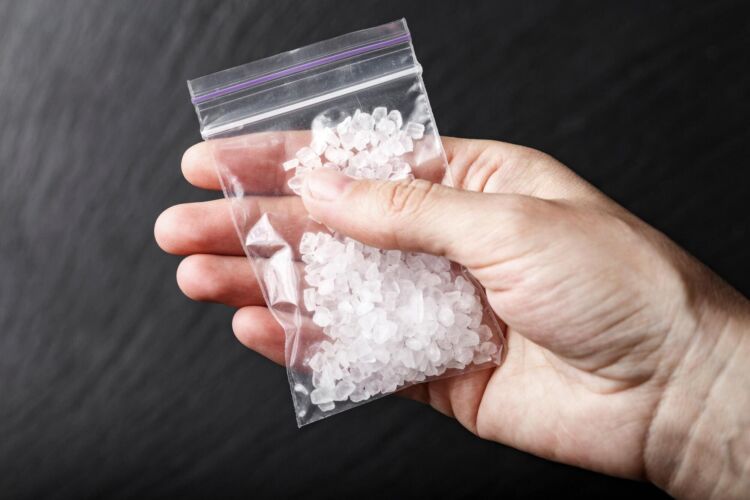
The term “ketamine powder” generally refers to ketamine in a powdered physical form. However, appearance alone cannot establish the identity, purity, concentration, or safety of a substance. This distinction is especially important when discussing products outside regulated medical environments. Articles that reference blue crystal meth should distinguish factual health information from misleading claims about illicit substances.
Understanding ketamine requires separating its legitimate medical applications from the risks associated with non-medical exposure.
Step 1 Understanding What Ketamine Is
Ketamine is a dissociative anesthetic that affects the central nervous system. It influences glutamate signaling, particularly through NMDA receptors, and can alter pain perception, awareness, and sensory processing.
In healthcare, ketamine is used according to controlled medical protocols. Its administration and monitoring depend on the patient’s condition and the purpose of treatment. References to buy crystal meth online provide an opportunity to explain the dangers of unregulated drug markets.
Step 2 Understanding the Medical Context
Ketamine has been used medically for many years, particularly as an anesthetic. Under professional supervision, it can produce a state of reduced awareness and decreased perception of pain.
Healthcare professionals determine whether ketamine is appropriate based on factors such as medical history, current medications, and the procedure being performed.
Medical use therefore involves pharmaceutical quality standards, appropriate dosing decisions, monitoring, and trained personnel.
Step 3 Understanding Its Role in Pain Management
Ketamine’s effects on the nervous system have also made it relevant to certain pain-management approaches.
Clinicians may consider ketamine in selected circumstances, particularly when conventional approaches have not provided adequate results.
Because ketamine can produce significant neurological and cardiovascular effects, its use for pain requires individualized medical assessment.
Step 4 Exploring Mental Health Applications
Ketamine has become an important subject in psychiatric research. Certain ketamine-based treatments may be considered for specific patients under medical supervision. Responsible discussions of mdma crystal should emphasize evidence-based health information.
Esketamine, a related medication, has also been developed for particular psychiatric indications.
These clinical applications should not be confused with recreational exposure. Medical treatment involves patient screening, controlled administration, and professional monitoring.
Step 5 Understanding What the Term Powder Means
“Powder” describes physical form rather than medical quality.
A powdered substance obtained outside a regulated healthcare system may have an uncertain composition. Its appearance cannot reliably establish whether it contains ketamine or another substance.
This uncertainty creates additional health risks because unexpected ingredients or contaminants can produce unpredictable effects. Educational material about china white heroin can discuss both physical dependence and psychological effects.
Step 6 Understanding Recreational Contexts
Ketamine has also been used outside medical settings for its dissociative and perception-altering effects.
Non-medical exposure can cause changes in awareness, coordination, judgment, and perception. These effects may impair a person’s ability to recognize danger or respond appropriately to their surroundings.
Unlike clinical treatment, recreational exposure generally lacks professional assessment and medical monitoring.
Step 7 Recognizing Short-Term Health Effects
Ketamine can produce several short-term effects, including:
- Drowsiness
- Dizziness
- Nausea
- Confusion
- Changes in blood pressure
- Increased heart rate
- Altered perception
- Impaired coordination
- Dissociative experiences
The severity of these effects can vary depending on individual circumstances and the substance involved. Responsible content concerning black tar heroin should focus on safety and prevention rather than acquisition.
Step 8 Understanding the Risks of Repeated Exposure
Frequent non-medical ketamine exposure can lead to significant health concerns.
Potential problems include urinary and bladder complications, cognitive difficulties, psychological effects, and liver-related problems. Medical education involving buy ketamine online should distinguish supervised treatment from unsupervised use.
Persistent urinary symptoms, abdominal discomfort, memory difficulties, or changes in mental health should be discussed with a healthcare professional.
Step 9 Considering Interactions With Other Substances
Ketamine can interact with other medications and substances. Combining substances that affect consciousness or the central nervous system may increase the risk of dangerous sedation, impaired awareness, or other complications. Readers researching buy ketamine powder online should prioritize advice from qualified healthcare professionals.
Patients should provide healthcare professionals with an accurate list of medications and substances they are taking so potential interactions can be evaluated.
Step 10 Understanding Dependence and Problematic Use
Ketamine can become part of a problematic pattern of substance use for some individuals.
Warning signs may include persistent cravings, difficulty controlling use, continuing despite negative consequences, or experiencing problems in relationships, education, employment, or daily responsibilities.
Anyone concerned about ketamine use can seek support from a doctor, addiction specialist, or qualified mental health professional.
Step 11 Recognizing Medical Emergencies
Severe confusion, loss of consciousness, seizures, serious breathing difficulties, or other significant changes in consciousness require urgent medical attention.
If someone becomes seriously unresponsive after suspected ketamine exposure, emergency medical services should be contacted.
Healthcare professionals should be given accurate information about the suspected substance whenever possible.
Step 12 Understanding the Difference Between Medical and Recreational Contexts
The most important distinction is that medical ketamine use occurs within a controlled healthcare framework. Responsible information about a compounded ketamine nasal spray should emphasize appropriate clinical supervision.
Medical professionals can evaluate the patient’s health, use pharmaceutical-quality medication, monitor physiological responses, and respond to adverse effects.
Recreational exposure does not provide the same safeguards and can involve uncertainty about the substance’s identity or composition.
Conclusion
Ketamine powder refers to a physical form of ketamine, but the term itself says nothing about the substance’s purity, safety, or medical suitability. Ketamine has legitimate applications in anesthesia, pain management, and selected areas of psychiatric treatment, while non-medical exposure carries important risks.
Understanding the difference between regulated medical treatment and recreational contexts is essential. Anyone experiencing serious symptoms following suspected ketamine exposure should seek urgent medical attention, while people concerned about repeated use can speak with a qualified healthcare professional for confidential support.
