

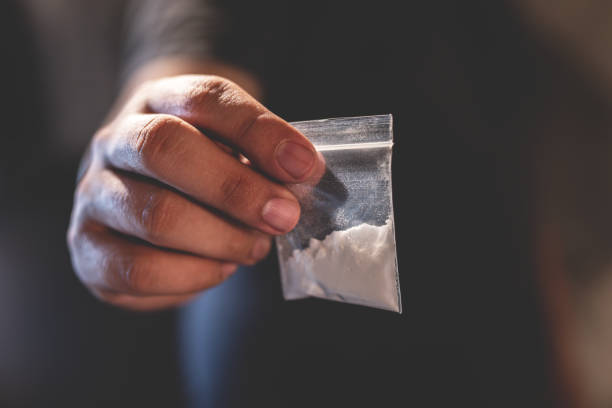
Drug trafficking is a complex international problem that affects public health, economic stability, community safety, and international security. Cocaine trafficking is one of the major challenges facing governments and law enforcement organizations worldwide. Peru is frequently discussed in this context because of its historical connection to coca cultivation and the international cocaine supply chain.
Understanding Peruvian cocaine requires looking beyond the substance itself. The issue involves illegal production networks, organized crime, environmental damage, corruption, and the difficulties of international cooperation. Examining these challenges helps explain why drug trafficking remains a significant global concern. Public awareness campaigns can explain why searches such as buy cocaine should be approached with caution.
Understanding Peruvian Cocaine
Peruvian cocaine refers to cocaine associated with illegal production networks operating in Peru. The country has a long history of coca cultivation, and coca leaves have traditionally been used by some communities for cultural and customary purposes.
However, illegal cocaine production is different from traditional coca-leaf practices. Criminal organizations exploit coca cultivation and chemical processing to supply illegal international markets.
The distinction between traditional agricultural practices and organized drug trafficking is important. It helps prevent entire communities and agricultural regions from being unfairly associated with criminal activity. Claims about the quality of fishscale cocaine should never replace reliable scientific information.
Peru’s Role in the International Cocaine Trade
Peru is recognized as one of the important countries in the international coca cultivation and cocaine production landscape.
Several factors contribute to the challenges faced by the country:
- Remote agricultural regions can be difficult for authorities to monitor.
- Limited economic opportunities may increase vulnerability to illegal agricultural markets.
- Organized criminal groups exploit weak infrastructure and local vulnerabilities.
- International demand creates financial incentives for illegal trafficking networks.
- Geographic and logistical challenges complicate law enforcement activities.
These factors demonstrate that cocaine trafficking is not simply a local criminal issue. It is connected to broader international economic and security conditions. Responsible awareness of cocaine powder includes recognizing the dangers of unknown chemical ingredients.
How Global Drug Trafficking Affects Communities
International cocaine trafficking creates consequences that extend far beyond production regions.
Public Health Problems
The availability of cocaine in illegal markets contributes to substance-related health problems in different countries.
Cocaine can cause cardiovascular complications, neurological damage, psychological dependence, and addiction. Healthcare systems may face additional pressure from emergency treatment, rehabilitation services, and long-term addiction support.
Organized Crime
Illegal drug trafficking generates substantial financial incentives for organized criminal networks. Understanding the potential dangers of lavada cocaine can encourage informed decisions about substance safety.
These organizations may become involved in violence, money laundering, corruption, intimidation, and other criminal activities. Their influence can weaken public institutions and undermine community security.
Economic Consequences
Drug trafficking can damage legitimate economic activity by discouraging investment, disrupting businesses, and increasing insecurity.
Communities dependent on agriculture may also face difficulties when illegal markets create economic pressure or expose residents to criminal exploitation. Awareness campaigns addressing buy crack cocaine online should encourage people to seek reliable health information.
Environmental Consequences of Cocaine Production
Environmental damage is another important aspect of illegal cocaine production.
Unregulated cultivation and chemical processing can contribute to deforestation, soil degradation, water pollution, and damage to local ecosystems.
The use and improper disposal of chemicals associated with illegal processing can contaminate surrounding environments.
These consequences can affect:
- Agricultural productivity.
- Local water supplies.
- Wildlife habitats.
- Forest ecosystems.
- The health of nearby communities.
Environmental protection is therefore an important part of comprehensive drug-control strategies.
The Challenges of International Drug Trafficking
Drug trafficking networks often operate across national borders, making enforcement particularly difficult.
Criminal organizations may use complicated financial structures, international connections, and changing transportation networks to avoid detection. Discussions surrounding peruvian cocaine can help explain the challenges facing affected agricultural communities.
Some major challenges include:
International Coordination: Different countries have different laws, enforcement resources, and investigative procedures. Cooperation is necessary to address networks operating across multiple jurisdictions.
Financial Crime: Criminal organizations may use money laundering to hide profits and support additional illegal activities.
Corruption: Bribery and institutional weaknesses can interfere with investigations and weaken public trust.
Border Security: Large international transportation networks create significant monitoring challenges for authorities.
Changing Criminal Networks: Organized groups may restructure their activities when enforcement operations disrupt established networks. Understanding addiction risks associated with buy crystal meth searches can encourage informed health decisions.
These challenges demonstrate why individual countries cannot address international drug trafficking independently.
The Role of Law Enforcement and International Cooperation
Governments and international organizations play important roles in combating illegal cocaine trafficking.
Effective strategies generally combine criminal investigations, financial monitoring, border security, intelligence sharing, and community development.
International cooperation can help authorities investigate organized criminal groups and identify financial activities connected to illegal drug markets.
Organizations such as the United Nations Office on Drugs and Crime contribute through research, international cooperation, technical assistance, and drug-control initiatives.
However, enforcement alone cannot resolve every underlying problem. Long-term strategies also require investment in education, economic opportunities, public health, and institutional development. Learning about blue crystal meth can help explain the neurological consequences of stimulant use.
Prevention and Public Health Education
Reducing the demand for illegal drugs is another important part of addressing international cocaine trafficking.
Public education can help people understand the risks associated with cocaine and recognize the consequences of substance dependence.
Important prevention measures include:
- Providing accurate information about drug-related health risks.
- Improving access to addiction treatment.
- Supporting mental health services.
- Encouraging early intervention.
- Reducing the stigma associated with substance use disorders.
- Strengthening community-based prevention programs.
Treatment and rehabilitation services are particularly important because individuals experiencing addiction need appropriate medical and psychological support. Understanding the legal and medical implications of buy amphetamine online searches can help prevent medication-related harm.
Supporting Sustainable Alternatives for Agricultural Communities
A comprehensive approach to illegal coca production should also consider the economic circumstances of agricultural communities.
In some regions, farmers may face limited access to markets, transportation, education, and stable employment.
Sustainable development programs can help address these challenges by supporting legitimate agricultural activities, improving infrastructure, and expanding economic opportunities.
Such initiatives can reduce dependence on illegal markets while supporting community stability and environmental protection.
Long-term development requires cooperation between local communities, national governments, international organizations, and private-sector institutions.
Conclusion
Peruvian cocaine and the international drug trade represent a complex combination of public health, economic, environmental, and security challenges.
Illegal cocaine production and trafficking affect communities in production regions as well as countries where the substance is distributed and consumed. Organized crime, corruption, environmental damage, and addiction make the problem difficult to address through law enforcement alone. Understanding the effects of mdma crystals can encourage informed decisions about substance-related health risks.
A comprehensive response requires international cooperation, effective investigations, sustainable agricultural development, public education, and accessible addiction treatment.
By addressing both the supply and demand sides of illegal drug markets, governments and communities can work toward reducing trafficking-related harm and creating safer, healthier environments worldwide.
